

Lifelong Learning Master Programme in Aquatic Animal Medicine


language
English

Studies mode
Presential

coordinator
Marta Muñoz Baquero
Shawn Johnson

Graduates in Veterinary Medicine. We recommend that applicants have at least 12 months of clinical experience
Check the tuition fees for this Master's programme. The San Pablo CEU University Foundation is the educational institution in Spain that allocates the most funding to scholarships and financial aid. For both Official Master’s Degrees and Lifelong Learning Master’s Degrees, you may be eligible for the AVANCE Scholarship.
Pioneers in the world

What makes us different
Our international outlook
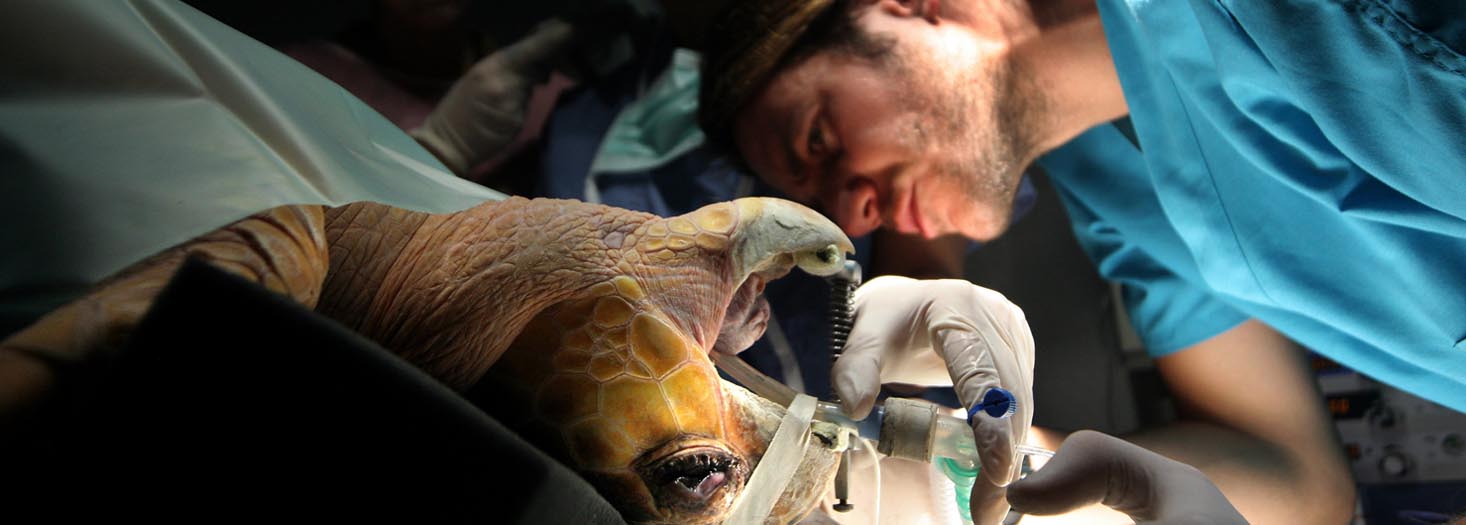
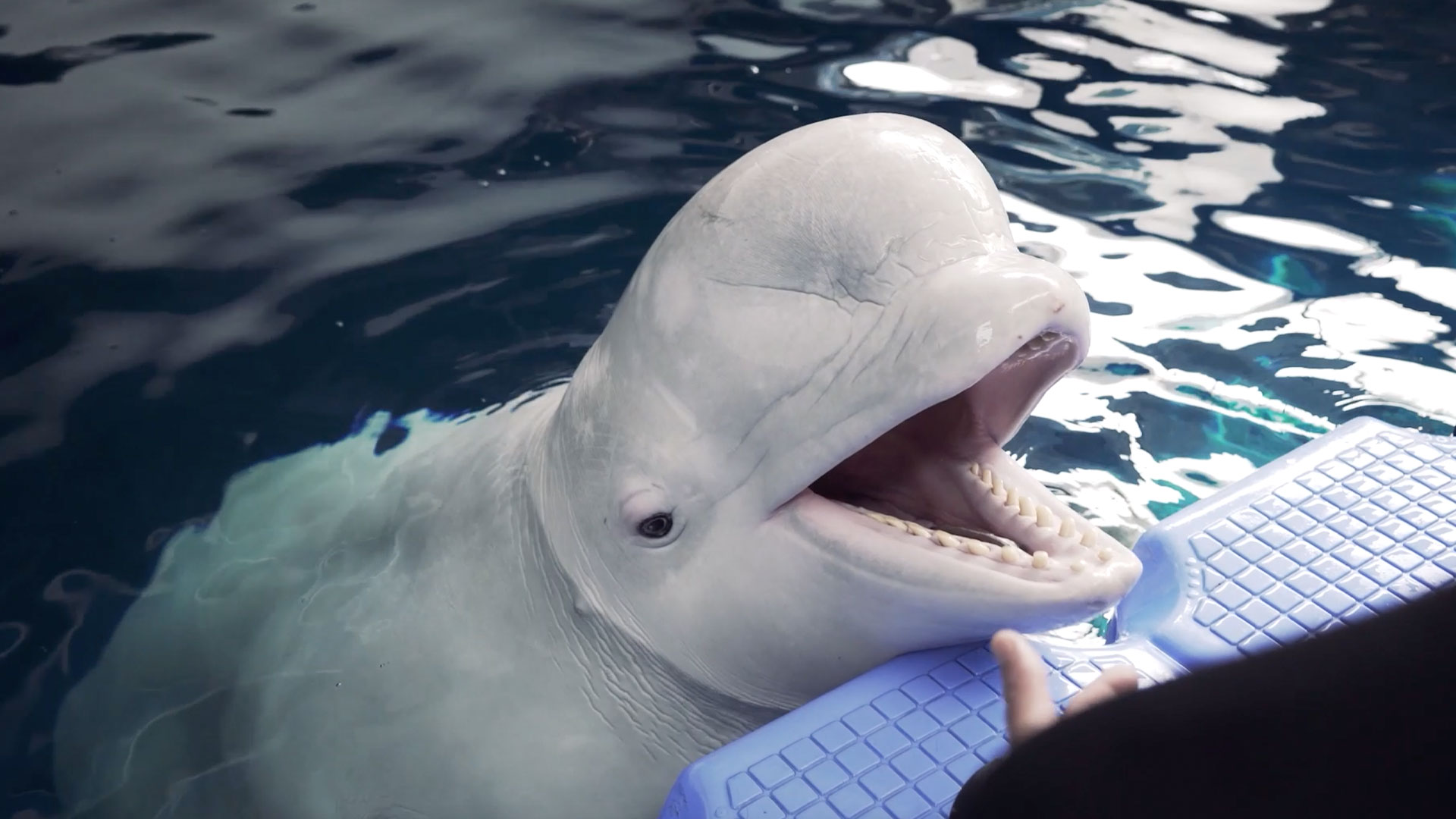
This master programme (known as the Máster de Formación Permanente en Medicina de Fauna Acuática in Spanish) has been created in order to meet international demand for specialist veterinarians who can provide care for aquatic animals in zoos and aquariums. These professionals must possess a specific set of medical management knowledge and skills, given that the physiology and health requirements of these animals differ considerably to those of land-based animals. Interest in aquatic wildlife conservation continues to increase and this means that there is significant demand for experts who can diagnose and treat diseases affecting endangered species, undertake research and contribute to the preservation of aquatic fauna.
Our objectives
- To produce trained professionals with specialized knowledge of the physiology of aquatic animals and the pathologies which affect them.
- To enable our students to develop the skills they need to diagnose and treat disease in aquatic animals.
- To produce aquatic animal specialists who can undertake the appropriate medical management of aquatic animals, both in aquariums and in their natural environment.
- To initiate students in research methods in disease prevention and the investigation of emerging diseases.
With these objectives in mind, we aim to ensure the comprehensive training of our students, providing them with scientific knowledge and practical skills, enabling them to be excellent professionals in aquatic animal medicine.
With the participation of Valencia's Oceanogràfic
This master programme is a collaboration between the University and Valencia's Oceanogràfic.

This oceanarium forms part of the city of Valencia's cultural complex known as the City of Arts and Sciences. Since it opened in 2003, it has become the largest aquatic animal park in Europe. It is a major international attraction for tourists ? and researchers. It has become a leading institution for research, conservation and dissemination regarding marine biodiversity. Its facilities are the ideal setting for you to study and explore the richness and diversity of marine life. The Oceanogràfic is home to more than 27,000 animal of 700 different species. While some of these are little known or even unique, visitors can also gain insights into all of the main aquatic ecosystems on the planet.
To fulfil its normal operations and support a wide range of projects, the Oceanogràfic has its own fully equipped veterinary clinic, laboratories and optimal medical facilities. All this means that the Oceanogràfic is the perfect environment for students on this master programme: the facilities, professionals and the animals provide the ideal setting for high-quality training.
Blended learning
The master programme is delivered in a blended format, with a period in which student must be present in person and another taking place remotely. Both periods are compulsory, and cannot be modified or swapped around. The programme includes 4 compulsory modules, a placement and an end of programme project, known as the TFM (trabajo de fin de máster).
Modules
- Introduction to Conservation Medicine
- Marine Mammal Medicine
- Fish and Aquatic Invertebrate Medicine
- Marine Reptile and Marine Bird Medicine
Other options
In addition to the master programme, the programme content is also available in two other formats. The first of these is our Advanced Postgraduate Diploma in Aquatic Animal Medicine. This contains the same theoretical content as the master programme, but without the practical component.
We also offer the theoretical content of the individual modules ? Marine Mammals, Fish and Aquatic Invertebrates or Marine Reptiles and Marine Birds ? as Higher Postgraduate Courses. The number of ECTS credits in each case corresponds to the number of hours of theoretical training involved.
We collaborate with the best organisations:
- MundoMar Benidorm
- Wildlife Health Ecology Research Organization
- Anderson Cabot Center for Ocean Life at the New England Aquarium
- Sea Change Conservation
- Disney's Animals, Science and Environment
- New England Aquarium
- NC State University CMAST (The Center for Marine Sciences and Technology)
- University of Florida Aquatic Animal Health Program College of Veterinary Medicine
- AWEC (Animal Welfare Education Center)
- The Marine Mammal Center
- International Zoo Veterinary Group
- Ardente Veterinary Nutrition
- The SeaDoc Society
- R3 Animal
- GREFA
Ready to apply?
Our admission process is simple and easy, and with many resources to make your application as smooth as possible.
Access your intranet to submit documents, find useful information and check your application status from home!
Partners

{{anyo.num_curso}} Year
| Subject | ects | type | sem | language |
|---|---|---|---|---|
| {{asignatura.nombre}} {{asignatura.nombre}} | {{asignatura.ects}} | {{asignatura.tipo}} | {{asignatura.sem}} | {{asignatura.idioma.replace("Inglés","English")}} |
| TOTAL ECTS | {{sumCreditos(anyo.materia)}} |
{{value[0].tituloAnexoIng}}
| Subject | ects | type | sem | language |
|---|---|---|---|---|
| {{asignatura.nombre}} {{asignatura.nombre}} | {{asignatura.ects}} | {{asignatura.tipo}} | {{asignatura.sem}} | {{asignatura.idioma.replace("Inglés","English")}} |
End-of-Master's Degree Project
For the End-of-Master’s Degree Project, or TFM, students must undertake a project or research study which draws on and examines different explanations, theories, and ideas with regard to a specific issue. By doing so, students will learn how to plan a process, to apply research principles and skills (literature searches, data analysis and interpretation, etc.), to engage in problem-solving in an autonomous manner and to communicate and defend their point of view efficiently and professionally.
Regulations
-
 {{archivo.titulo}}PDF
* Subject not offered in the current academic year. The syllabus content for this course is not available.
Ready to apply?
Our admission process is simple and easy, and with many resources to make your application as smooth as possible.
Access your intranet to submit documents, find useful information and check your application status from home!
Valencia
Professors brief description and collaborating facilities
Shawn Johnson
Sea Change Health
Shawn Johnson, veterinarian specialized in marine mammals, earned his DVM from Iowa State University and a Master's in Preventive Veterinary Medicine from UC Davis. With over 20 years of experience in medicine, research, rescue, and rehabilitation of marine mammals and seabirds, he has co-authored 53 scientific publications. He is Co-founder and Director of Sea Change Health, providing advanced medical care and anesthesia to marine mammals in the field. Previously, he directed The Marine Mammal Center in California, the world's largest university-based marine mammal hospital. Shawn teaches in the modules of General Conservation Medicine and Marine Mammal Medicine.
Claire Simeone
Sea Change Health
Claire received her Doctor of Veterinary Medicine degree from the Virginia-Maryland College of Veterinary Medicine and completed postgraduate training with the National Marine Mammal Foundation and SeaWorld San Diego. She has worked with the U.S. National Marine Fisheries Service investigating unusual mortality events and served as Director of the Hawaiian Monk Seal Conservation Program at The Marine Mammal Center. Founder of Sea Change Health and Scientific Collaborator at the Oceanogràfic, she is co-author of over 25 scientific articles and book chapters on marine mammal health and strandings. Claire teaches in the modules of General Conservation Medicine and Marine Mammal Medicine.
Joseph Karl Gaydos
SeaDoc Society, UC Davis School of Veterinary Medicine
Joe, a respected wildlife veterinarian and well-known scientist, is the Science Director for the SeaDoc Society, a marine conservation program of the UC Davis Karen C. Drayer Wildlife Health Center. He is a bestselling author, an entertaining public speaker, and a sought-after expert voice on wildlife health issues whose advised policymakers from Washington State to Washington D.C. For the last two decades, Joe has been working on wildlife and ecosystem conservation in the Pacific Northwest where he is an expert on diseases that impact both human and wild animal health. Joe teaches in the modules of General Conservation Medicine and Marine Mammal Medicine.
Carlos R Sanchez
Oregon Zoo
Carlos earned his Degree in Veterinary Medicine from the National Autonomous University of Mexico. He also earned a MSc in Wild Animal Health at the Royal Veterinary College/ Zoological Society of London with an Overseas Development Award granted by the British government. He then completed a 3-year Zoological Medicine Residence at the Smithsonian National Zoological Park in the USA. He has participated in several field and conservation projects including the anesthesia and health assessment of free ranging California sea lions in Mexico. He has published over 50 manuscripts in scientific journals and is now the Director of Animal Health at Oregon Zoo. Carlos teaches in the modules of General Conservation Medicine, Fish and Invertebrate and Marine Reptiles and Aquatic Birds.
Benny Borremans
Wildlife Health Ecology Research Organization
Research scientist studying wildlife health in an ecological context, using field work and statistical models. Over the last 15 years he has worked on the spread of zoonotic viruses in African rodents and Australian bats, and outbreaks of leptospirosis in California sea lions and island foxes, seeking to uncover the environmental factors driving disease transmission and spillover to humans. BSc, MSc and PhD in biology from the University of Antwerp (Belgium), postdoctoral research at the University of California Los Angeles (USA). Director of the Wildlife Health Ecology Research Organization, based in San Diego (USA). Benny teaches in the modules of General Conservation Medicine.
José Luis Crespo
Fundación Oceanogràfic
Jose Luis earned his Veterinary degree from Universidad Cardenal Herrera CEU and his PhD from Complutense University of Madrid, specializing in sea turtle pathology. He is the lead veterinarian of the Conservation Department at Fundación Oceanogràfic. He has completed training in international marine wildlife recovery centers and has published over 90 research articles. Jose Luis teaches in the modules of General Conservation Medicine, Marine Reptiles and Marine Mammal Medicine.
Daniel García Párraga
Fundación Oceanogràfic
Daniel is the Scientific Committee Coordinator of Fundación Oceanogràfic and Director of Zoological Operations at Oceanogràfic in Valencia. He holds a DVM and PhD from Complutense University of Madrid, specializing in sea turtle medicine. He is a European Diplomate in Zoo Animal Medicine and in Aquatic Animal Health, and member of multiple international zoo and wildlife medicine associations. He serves on the inspection committees of the Iberian Association of Zoos and Aquariums and the European Association of Marine Mammals. He has authored over 170 scientific publications. Daniel teaches in the modules of General Conservation Medicine, Marine Reptiles and Marine Mammal Medicine.
Andreas Fahlman
Fundación Oceanogràfic
Andreas earned his PhD in Animal Physiology from Carleton University (Ottawa) and a degree in Marine Science from Hawaii Pacific University. He conducted research at Woods Hole Oceanographic Institution until 2011 and has since combined his work as a researcher with a position as Associate Professor at Texas A&M University-Corpus Christi. A leading specialist in diving physiology of marine mammals, he has published over 60 scientific articles. Andreas teaches in the modules of General Conservation Medicine.
Forrest Gomez
National Marine Mammal Foundation
Director of Conservation Medicine at the National Marine Mammal Foundation, where she advances aquatic conservation through veterinary medicine, science, and partnerships. With over 20 years of experience, she has investigated dolphin health after the Deepwater Horizon oil spill and supported rescue efforts for the vaquita porpoise in Mexico. She co-founded Operation GRACE, protecting at-risk aquatic mammals and ecosystems, and has contributed to 30+ publications. Trained in anthropology (UC Berkeley) and veterinary medicine (UC Davis), she is inspired by her role as a mother to preserve wild spaces for future generations. Forrest teaches in the modules of General Conservation Medicine and Marine Mammal.
Heather Harris
Cal Poly San Luis Obispo
Heather completed her DVM/MPVM degrees at the University of California, Davis and is a board-certified Diplomate of the American College of Veterinary Preventive Medicine. For the past 20 years, she has provided veterinary expertise for marine wildlife capture and health assessment, stranded animal care, and oil spill response from remote Pacific Islands to Antarctica. She is faculty at Cal Poly San Luis Obispo, associate veterinarian for the Marine Mammal Center, leads the Sea Turtle Health Program at Upwell, and serves as a NOAA affiliate veterinarian in the west coast region. Heather teaches in the modules of General Conservation Medicine, Marine Reptiles, and Marine Mammals.
Natalie Mylniczenko
Disney?s Animals, Science and Environment
Natalie is a veterinarian at Disney's Animal Kingdom and the Seas with Nemo and Friends in Orlando, Florida working with a wide variety of animals in both the terrestrial and aquatic realms where she divides her time equally. She received her Masters and veterinary degrees at the University of Illinois. Clinical medicine fuels her and she loves to broaden medicine by using techniques with zoo animals and extrapolating to aquatics. She is the veterinary chair for GRACE (gorilla rehabilitation and conservation center) and for the Eurasian and African primate TAG and the Gibbon SSP. Natalie teaches in the module of Fish Medicine.
Leigh Clayton
Wildlife Conservation Society, New York Aquarium
Leigh Clayton, DVM, is Director of the New York Aquarium with the Wildlife Conservation Society, where she oversees animal health, welfare, and conservation programs. A boardcertified specialist in Avian and Reptile/Amphibian Medicine through the American Board of Veterinary Practitioners, she trained in small animal, zoo, and aquarium medicine before completing a residency in avian and exotic animal surgery. Her professional focus integrates veterinary medicine, conservation, and public engagement, advancing initiatives in marine wildlife health, aquatic species rescue, and global ocean sustainability. Leigh teaches in the module of Fish Medicine.
Nuno Pereira
Oceanário de Lisboa
Nuno Pereira received his Veterinary Medicine degree in 1987, initially working with small animals and wild animals such as the Iberian wolf. Twenty-eight years ago, he transitioned to aquatic animal medicine, becoming head veterinarian at Oceanário de Lisboa, focusing on ornamental fish medicine. He is part of EAZA's Elasmobranch TAG Veterinary Advisory Group and has published articles and chapters in peer-reviewed veterinary journals and aquatic medicine books. He is also attending veterinarian of two Lisbon research aquatic animal facilities (ISPA and GIMM), co-author of FELASA-AALAS research fish health monitoring recommendations and teaches fish medicine and conservation medicine at Universidade Lusófona's Veterinary Faculty since 2005. Nuno teaches the modules of Fish and Invertebrate Medicine.
Ana Ahuir Baraja
CEU-Cardenal Herrera University
Ana is a fish parasitologist with more than 20 years of experience. For ten years, through a collaboration agreement between the University of Valencia and Fundación Oceanogràfic, she developed her research on the parasite fauna of marine fish. She has participated in different research projects, related to pathologies and parasitosis of vertebrate animals. She has more than fifty communications in national and international congresses as well as several scientific and outreach publications, book chapters, and contribution in numerous scientific and outreach conferences. She has participated as a lecturer in different master's programs, and she is Assistant Professor at the CEU-Cardenal Herrera University of Valencia. Ana teaches the modules of Fish and Invertebrate Medicine.
Ashley McGrew
Colorado State University
Ashley McGrew earned her DVM-PhD at Colorado State University, researching Hg uptake by parasites of marine mammals and wolves. She completed a post-doctoral fellowship and became boarded in Parasitology (American College of Veterinary Microbiologists) in 2015. She serves on faculty at CSU, teaching in the undergraduate and DVM programs, and is Section Head of Parasitology. Her research interests include Diagnostic Veterinary Parasitology and marine/wildlife parasites. She has served on the board for the International Association for Aquatic Animal Medicine, having been a member since 2002, and serves on the board for the National Center for Veterinary Parasitology. Ashley teaches in the Marine Mammal module.
Lorraine Thompson-Barbosa
Six Flags Discovery Kingdom
Veterinarian specializing in wildlife medicine. Obtained her veterinary and Master of Preventive Veterinary Medicine degrees from UC Davis. She has worked with a variety of wildlife species, including both marine and terrestrial, in rehabilitation, managed care, and field research settings, in the US, Africa, Central, and South America. Has authored scientific articles on wildlife health topics and is a Diplomate of the American College of Preventive Veterinary Medicine. Her affiliations include The Marine Mammal Center, California Wildlife Center, Oiled Wildlife Care Network, and Six Flags Discovery Kingdom. Lorraine teaches in the Marine Mammal module.
Micheal Walsh
University of Florida, College of Veterinary Medicine
Michael Walsh, DVM, is a marine animal veterinarian and researcher specializing in manatees, cetaceans, and sea turtles. An adjunct at the University of Florida's Nature Coast Biological Station since 2007, he collaborates with agencies including FWS, FWC, NMFS, and USGS. Recognized for innovations in marine mammal medicine, diagnostics, and disease prevention, his current research spans lipidomics in dolphins, leptospirosis in manatees, virtopsy imaging, microbiome studies, and emerging contaminants. He has chaired the Manatee Recovery Plan veterinary committee and continues advising international organizations on marine wildlife health and conservation. Mike teaches in the Marine Mammal Module.
Dennis Christen
Intradco Global
Dennis Christen brings over 35 years of leadership in animal care, welfare, and management across aquariums, zoos, and conservation organizations. He began his career at Vancouver Aquarium, held pivotal roles at the Alaska SeaLife Center, and spent nearly two decades at Georgia Aquarium, most recently as Senior Director of Animal Wellbeing, Behavior, and Zoological Compliance. Dennis has led marine mammal and seabird programs, overseen rescue, and rehabilitation, and coordinated complex international animal transports, including the relocation of belugas from Ukraine. He now advances wildlife logistics as part of Intradco Global. Dennis teaches in the Marine Mammal Module.
Ignacio Jiménez
The Effective Conservation Training Initiative
Ignacio is member at IUCN Conservation Translocation Specialist Group. Ignacio teaches in the modules of General Conservation Medicine.
Nathan Robinson
Institut de Ciències del Mar (ICM-CSIC)
Nathan is a Marine Biologist and Science Communicator whose research uses novel camera technologies to study charismatic marine megafauna while simultaneously engaging global audiences in marine conservation. During his career, he has been at the center of several viral videos. These have included a video of him removing both a plastic straw from the nostril of an endangered sea turtle and filming the first footage of a giant squid in US waters. He currently works at the Institut de Ciències del Mar (ICM-CSIC) in Barcelona. Nathan teaches in the modules of General Conservation Medicine.
Sophia Papageorgiou
Ecovet Global
Sophia Papageorgiou, is a veterinarian specializing in wildlife and ecosystem health, disease ecology, and epidemiology. Sophia earned her DVM from Tufts University School of Veterinary Medicine and later completed her Master's in Preventive Veterinary Medicine and PhD in Epidemiology at UC Davis. With extensive experience working on multidisciplinary teams in Africa and Asia, she currently lectures in disease ecology at UC Davis. Sophia is a co-founder of an NGO in Tanzania’s Southern Highlands where she integrates her expertise in wildlife and domestic animal health with her passion for conservation to foster women-led ecosystem health initiatives. Sophia teaches in the Conservation Medicine Module.
Terry Norton
The Turtle Hospital
Terry Norton, DVM, ACZM is the lead veterinarian at the Turtle Hospital in Marathon, Florida. He was the founder, Director, and Veterinarian for the Georgia Sea Turtle Center for over 1.5 decades. He earned his DVM at Tufts University and completed his residency in Zoo and Wildlife Medicine at the University of Florida. He is a Diplomate in the American College of Zoological Medicine and has published numerous articles for referred journals and book chapters. He is one of the co-editors and authors of the book entitled Sea Turtle Health and Rehabilitation.
Charles Innis
Anderson Cabot Center for Ocean Life, New England Aquarium
Charles Innis received his bachelor's degree from Cornell University and his VMD from the University of Pennsylvania. He has worked at New England Aquarium since 2005. He is a Diplomate of the American Board of Veterinary Practitioners in Reptile and Amphibian Practice, a member of the IUCN Tortoise and Freshwater Turtle Specialist Group, Past President of the Association of Reptile and Amphibian Veterinarians, and an adjunct professor at Tufts University Cummings School of Veterinary Medicine. He is co-editor and co-author of the text, Sea Turtle Health, and Rehabilitation. Charles teaches in the modules of Marine Reptiles.
Amanda Ardente
Ardente Veterinary Nutrition
Veterinarian and nutritionist specializing in zoo and aquatic species, consulting with facilities globally. Received Doctor of Veterinary Medicine from North Carolina University and PhD from the University of Florida. After completion of a postdoctoral associate position at Disney's Animal Kingdom, founded Ardente Veterinary Nutrition LLC. She works closely with facilities like the National Marine Mammal Foundation and U.S. Navy Marine Mammal Program, the Georgia Aquarium, and the Singapore Oceanarium, to optimize the health of aquatic species under professional care. Amanda teaches in the modules of Marine Reptiles, Birds, and Marine Mammals Medicine.
Nicole Indra Stacy
College of Veterinary Medicine, University of Florida
Nicole is Clinical Associate Professor of the Aquatic, Amphibian, and Reptile Pathology Service and the Aquatic Animal Health Program at the University of Florida. She earned her DVM from the Ludwig-Maximilians-University Munich, Germany, completed an internship in small animal medicine, and then pursued a residency in clinical pathology at the University of Florida. She is specialized in clinical pathology of non-domestic species and focuses on providing continuing education opportunities and on improving available diagnostics for non-domestic species. Nicole teaches in the modules of Marine Reptiles, Birds, Fish and Marine Mammals Medicine.
Marina Ivancic
ZooRadOne
Marina is a board-certified veterinary radiologist for 17 years, Dr. Ivancic has more than 25 years of experience with marine mammals and an international reputation for expertise in zoological diagnostic imaging. She was the first radiologist to concentrate on aquatic animal imaging, and the first to work full-time at a zoo. She has an extensive record of more than 30 publications and 60 presentations in the scientific domain, and her experience in critical careand surgery-associated imaging of cetaceans is unmatched. Marina is the founder of ZooRadOne, providing teleradiology and on-site imaging support for zoo and aquatic animal facilities around the world. Marina teaches in the modules of Marine Reptiles and Marine Mammals Medicine.
Craigh Harms
NC State College of Veterinary Medicine and Center for Marine Sciences and Technology
Craigh is Professor of Aquatic Animal Medicine at NC State College of Veterinary Medicine, DVM from Iowa State University, PhD from NC State University, Past President of the American College of Zoological Medicine and of the International Association for Aquatic Animal Medicine, co-editor of Sea turtle Health & Rehabilitation and of Carpenter's Exotic Animal Formulary, 6th ed., has published over 200 peer-reviewed papers and book chapters, part-time whitewater raft guide. Craigh teaches in the modules of Marine Reptiles and Marine Mammals
Jaime Samour
Samour falcon Consultancy
Visiting Professor, Dipartimento di Scienze Medico Veterinarie, Università di Parma Jaime earned his Veterinary Medicine degree with Honours from Veracruz University (1978) and a Doctorate in Avian Reproductive Biology from the University of London (1987). His academic career spans teaching, research, and clinical practice in exotic animal and avian medicine across the Middle East and Europe. He has authored seven textbooks, 21 book chapters, and over 170 peer-reviewed articles. A European Specialist in Avian Medicine and Fellow of the Royal Society of Biology, Jaime continues advancing research, teaching, and consulting in wildlife and raptor medicine internationally. Jaime teaches in the modules of Aquatic birds.
Xavier Manteca
Animal Welfare Education Centre (AWEC) / School of Veterinary Medicine, UAB
Xavier is a Professor at the School of Veterinary Science of the Autonomous University of Barcelona in Spain. He obtained his BVSc degree and his PhD at the Autonomous University of Barcelona, and an MSc degree in Applied Animal Behaviour and Animal Welfare at the University of Edinburgh in Scotland, UK. His area of expertise is animal behavior and animal welfare and has published extensively on this subject. He has worked with several zoological institutions in Spain and abroad developing animal welfare assessment plans as well as animal welfare improvement strategies. Xavier teaches in the modules of Marine Reptiles, Birds, Fish and Marine Mammals Medicine.
Oriol Talló
Animal Welfare Education Centre (AWEC) / School of Veterinary Medicine, UAB
Oriol is a researcher at the Animal Welfare Education Centre (AWEC) and at the School of Veterinary Sciences, Universitat Autònoma de Barcelona (UAB). His work spans research, teaching, and consultancy in wild animal welfare. Besides his research activities, he coordinates the UAB MSc in Animal Welfare, lectures in several programmes, and serves as Animal Welfare Officer at the Oceanogràfic de València Aquarium. He also provides expert advice on animal welfare to zoological institutions, European associations, and public agencies. Oriol teaches in the modules of Marine Reptiles, Birds, Fish and Marine Mammals Medicine.
Greg Lewbart
NC State College of Veterinary Medicine
Greg worked for a large wholesaler of ornamental fishes before joining the faculty at the NC State College of Veterinary Medicine in 1993, where he is Professor of Aquatic, Wildlife, and Zoological Medicine. He is a diplomate of the American and European Colleges of Zoological Medicine and has authored or co-authored over 300 scientific articles and book chapters. Greg has made 32 trips to the Galápagos doing wildlife conservation work. He is the faculty founder of the Turtle Rescue Team, a student-led wildlife clinic that has treated over 9,000 patients. Greg teaches in the modules of Marine Reptiles, Fish, and Invertebrate Medicine.
Tania Monreal-Pawlowsky
International Zoo Veterinary Group
Tania is a zoo, aquarium and wildlife veterinarian at International Zoo Veterinary Group, where she is currently a partner, and where she started in 2010 after having been first veterinarian, then marine mammal curator and finally zoological director of a large corporation holding over 20 zoos, aquariums and marine mammal parks for 10 years and marine mammal curator at the Barcelona Zoo for 5 years. Has a special interest in animal welfare, and several publications on the topic. EAZA vet advisor for elasmobranchs and dolphins and chair of the accreditation and veterinary committees of the EAAM. Tania teaches in the modules of Marine Reptiles, Birds, Fish and Marine Mammals Medicine.
Carlos Rodriguez
Disney?s Animals, Science and Environment
Carlos has been the veterinary pathology manager for the Walt Disney Company since 2011. He received his veterinary degree from Tufts Cummings School of Veterinary Medicine, which was followed by an equine medicine and surgery internship. He practiced as an ambulatory clinical equine veterinarian before switching tracks and completing the Angell Memorial/Tufts University combined anatomic pathology residency program. He then joined the pathology department at the Wildlife Conservation Society/Bronx Zoo. He is a Diplomate of the American College of Veterinary Pathologists. Special interests include amphibian/aquatic diseases, capacity building, and supporting conservation programs. Carlos teaches in the modules of Marine Reptiles, Birds, Fish and Marine Mammals Medicine.
Fernando González
GREFA
Fernando has been the veterinary Director of GREFA (Grupo de Rehabilitación de la Fauna Autóctona y su Hábitat) since 2003. He graduated in veterinary medicine from the Complutense University of Madrid (UCM) and holds a PhD in Veterinary Medicine from the University of Murcia (UM). He is an Associate Professor of Pharmacology and Toxicology at the Faculty of Veterinary Medicine of the UCM and accredited by AVEPA in exotic animal medicine. He is the author of more than 40 scientific articles. He is a member of the American Association of Avian Veterinarians (AAV), the European Association of Avian Veterinarians (EAAV), the European and American Associations of Zoo Veterinarians (EAZWV) and the Spanish Association of Small Animals (AVEPA), among others. Fernando teaches in the modules of Aquatic Birds.
Cristiane K. M. Kolesnikovas
Associação R3 Animal
Cristiane is a veterinarian graduated from the University of São Paulo, Brazil. She also completed her Master's and Doctorate in Wild Animal Pathology. She holds a Postdoctoral degree in Environmental Virology from the University of Santa Catarina, Brazil. Since 2002, Cristiane has been working at Associação R3 Animal, serving as both Head Veterinarian and President, focusing on the rehabilitation of marine mammals and seabirds. Since 2015, she and her team have been engaged in the Santos Basin Beach Monitoring Project, monitoring the beaches of Florianópolis, conducting necropsies, and rehabilitating marine animals from the State of Santa Catarina at the largest Rehabilitation Center in Brazil. Cristiane teaches in the modules of Aquatic Birds.
Marta Muñoz Baquero
Universidad CEU Cardenal Herrera / Fundación Oceanogràfic
Marta graduated in Veterinary Medicine from Complutense University of Madrid, earned a Master's in Aquaculture from the University of Vigo, and obtained her PhD from the University of Murcia specializing in shark reproduction. She has worked as a clinical veterinarian in several national and international aquariums. Currently, she works as a professor at Universidad CEU UCH and collaborates at Fundación Oceanogràfic, supporting the Conservation Department in marine wildlife rehabilitation. She has authored over 10 scientific publications. Marta teaches in the modules of General Conservation Medicine.
Carlos Barros García
Oceanogràfic
Carlos is Assistant Director of Zoological Collections and Curator of Birds and Reptiles at Avanqua Oceanogràfic. He holds degrees in Veterinary Medicine from the University of Santiago de Compostela and in Biological Sciences from the University of Vigo. With expertise in exotic and aquatic animal medicine, he has worked at institutions such as Acquario di Genova and Mundomar. He is a member of the inspection committee of the European Association of Zoos and Aquariums and serves on ethics and welfare committees including Migramar and Fundación Oceanogràfic. Carlos teaches in the modules of Marine Reptiles, Birds, Fish and Marine Mammals Medicine.
Carlos Rojo Solís
Oceanogràfic
Carlos has been a veterinarian at Oceanogràfic Valencia since 2018. He earned his Veterinary degree from Complutense University of Madrid in 2010 and a master's in veterinary and biomedical sciences in 2011. Currently, he is pursuing a PhD in Avian Pharmacology at the same university. He co-authored a book chapter on ornamental fish emergencies and has published on exotic animal medicine. With prior clinical experience in zoos and breeding centers in Spain and the UAE, he is a member of EAZWV and AAZV and inspector for EAZA. Carlos teaches in the modules of Marine Reptiles, Birds, Fish and Marine Mammals Medicine.
Teresa Álvaro
Oceanogràfic
Teresa has been a veterinarian at Oceanogràfic since 2003. She earned her Veterinary degree from Complutense University of Madrid, specializing in Animal Medicine and Health. She currently leads the Veterinary and Laboratory Department, with clinical expertise in aquatic animal medicine and care. She co-authored a book chapter on ornamental fish emergencies and has taught courses on aquatic animal medicine at Complutense University of Madrid and Universidad Cardenal Herrera CEU. Carlos teaches in the modules of Marine Reptiles, Birds, Fish and Marine Mammals Medicine.
Mónica Valls, Short bio pending finalization
Oceanogràfic
Monica is part of the Veterinary Department at Oceanogràfic in Valencia. Mónica teaches in the modules of Marine Reptiles, Birds, Fish and Marine Mammals Medicine.
Additional Professors
- Ana Rubio-Garcia
WEC (World Heritage Centre Wadden Sea) - Nicola Pussini
Istituto Zooprofilattico Sperimentale del
Piemonte, Liguria e Valle d'Aosta - Carrie Goertz
Alaska SeaLife Center - Tom Riederson
- Stacy DiRocco
SeaWorld - Carmen Colitz
Aquatic Animal Eye Care
- James Bailey
Innovative Veterinary Medicine - Carolina LeBert
US Navy Marine Mammal Program - Geraldine Lacave
Marine Mammal Veterinary Services - Rocio Canales
Mundomar - Laurie Gage
- Allyson Woody
Veterinary Dentistry - Brian Stacy
Brian teaches in the modules of Marine Reptiles - Paolo Martelli
Ocean Park Hong Kong
Ready to apply?
Our admission process is simple and easy, and with many resources to make your application as smooth as possible.
Access your intranet to submit documents, find useful information and check your application status from home!
-
GENERAL REGULATIONS CONCERNING THE PRACTICUM IN BACHELOR'S DEGREES AND POSTGRADUATE PROGRAMS.PDF
Ready to apply?
Our admission process is simple and easy, and with many resources to make your application as smooth as possible.
Access your intranet to submit documents, find useful information and check your application status from home!
Ready to apply?
Our admission process is simple and easy, and with many resources to make your application as smooth as possible.
Access your intranet to submit documents, find useful information and check your application status from home!
- Start date: January 8, 2026
- End date: June 2027
- Lecture times: between 2 pm and 8 pm, depending on lecturer availability
- Days:3 to 4 days per week (Monday-Thursday)
Ready to apply?
Our admission process is simple and easy, and with many resources to make your application as smooth as possible.
Access your intranet to submit documents, find useful information and check your application status from home!
-
 Regulations for the Continuation of Studies and Enrolment Conditions for Bachelor’s DegreesPDF
 -
Regulations Concerning Continuous Assessment at the CEU UCHPDF
-
General Regulations Concerning End-of-Degree Projects (TFGs) and End-of-Master’s Degree Projects (TFMs).PDF
-
Regulations on the Recognition and Transfer of CreditsPDF
-
Normativa sobre Enseñanzas Propias y Formación Permanente de la Universidad CEU Cardenal HerreraPDF
-
Reglamento para el reconocimiento académico en créditos ECTS por la participación en actividades culturales, deportivas, de representación estudiantil, solidarias y de cooperación en los títulos de GradoPDF
-
Normativa de compensación de calificaciones de la Universidad CEU Cardenal HerreraPDF
-
ADMINISTRATION OF THE ERASMUS+, SICUE AND IBEROAMÉRICA PROGRAMMES – BACHELOR’S DEGREESPDF
-
Seventh and last examination opportunity – ProceedingsPDF
More information
Ready to apply?
Our admission process is simple and easy, and with many resources to make your application as smooth as possible.
Access your intranet to submit documents, find useful information and check your application status from home!
|
|